
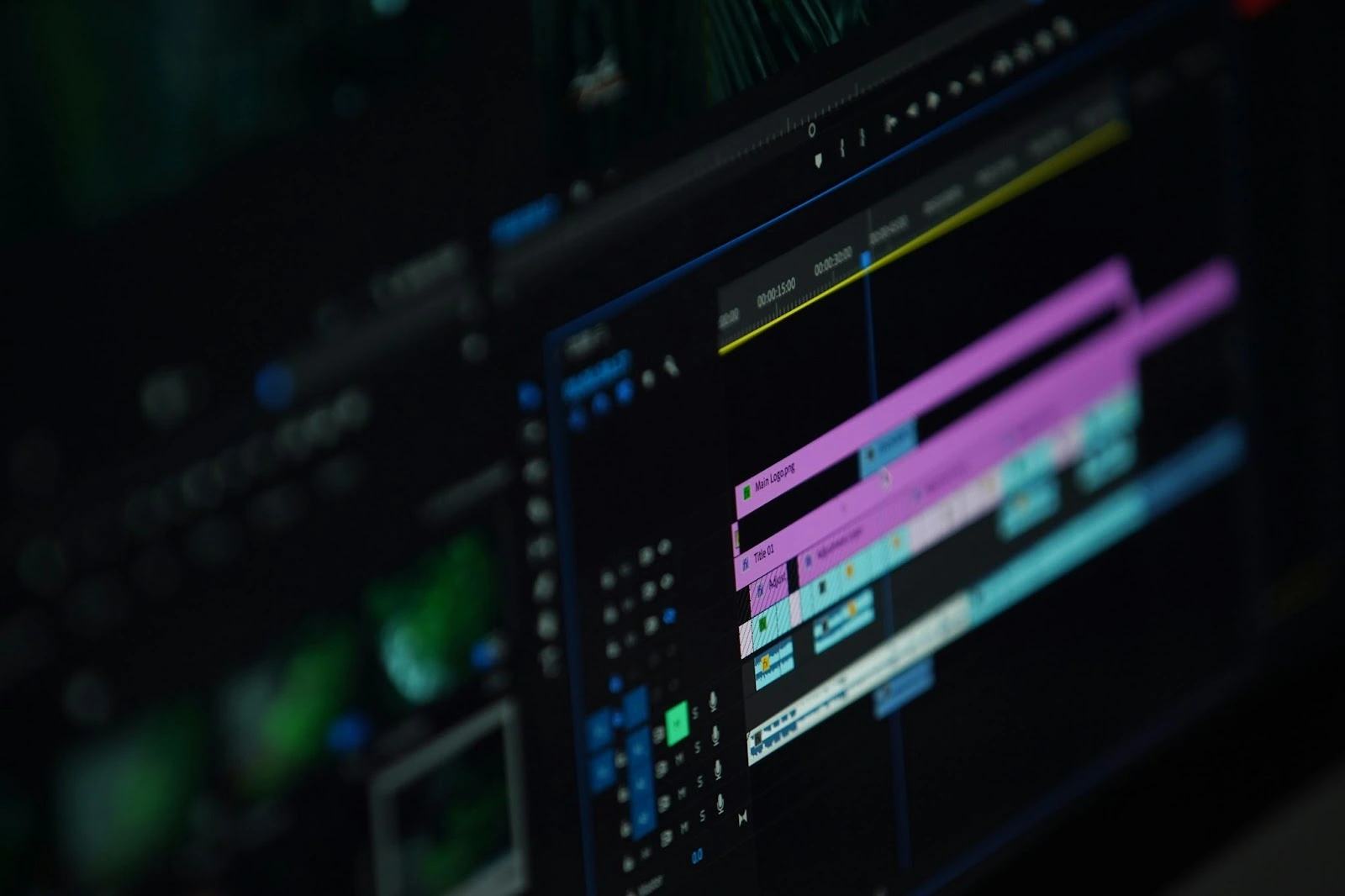
Every creator I talk to has the same footage problem: hours of it, and no time to turn it into something worth watching. So they cut it themselves — late at night, learning keyboard shortcuts instead of sleeping — and the video goes up looking like what it is: unfinished. Not because the idea was weak. Because nothing happened to it after the camera stopped recording.
01 The First Eight Seconds Decide Everything
YouTube doesn't reward good ideas. It rewards videos that keep people watching, and that decision gets made almost immediately. A slow intro, a shaky hook, three seconds of dead air before the point lands — viewers don't wait around to find out if it gets better. They're gone before the thumbnail stops being the most interesting thing on screen.
This is the part editing actually controls. Not the idea, not the delivery — the pacing. Where the cut lands. How fast the opening moves. Whether the first line of dialogue is buried under a slow zoom or hits the second the video starts. A professional editor treats those first seconds like the most expensive real estate in the video, because they are.
Editing isn't decoration on top of the video. It's the second draft — and most videos never get one.
02 What Actually Happens in the Timeline
"Editing" sounds like one job. It's closer to five, done at once, and most creators only have time to do one or two of them properly before they run out of hours:
- Structure. Deciding what the video is actually about, then cutting everything that isn't that — including the parts you were proud of filming.
- Pacing. Removing dead air, tightening pauses, and finding the rhythm that keeps a video moving without feeling rushed.
- Sound. Leveling voice, cleaning background noise, and mixing music so it supports the video instead of fighting it. Viewers forgive rough visuals faster than they forgive bad audio.
- Visual support. B-roll, captions, callouts, and motion graphics — placed only where they earn their spot, not scattered in to fill silence.
- Color. Making footage from different cameras, rooms, and days look like it belongs in the same video.
Each one is a skill on its own. Doing all five well, on a deadline, while also being the person who wrote, filmed, and is now supposed to promote the video — that's the actual math that breaks most self-edited channels, not a lack of talent.
03 The Cost Nobody Puts in the Budget
Editing a single video yourself rarely takes the "hour or two" it feels like it should. It takes an evening, then a second evening for revisions you make to yourself, and by the time it's done the idea that felt exciting when you filmed it has been stared at for so long you can't tell if it's good anymore. That's the real cost — not the hours, but what those hours replace. Every night spent trimming pauses is a night not spent writing the next video, reaching out to a brand, or actually resting.
A professional editor isn't a luxury add-on to that process. They're what turns "one video every two weeks, whenever there's time" into a schedule you can actually keep.
04 Consistency Is the Part Viewers Don't Notice — Until It's Missing
One good edit is a nice video. Ten videos edited with the same pacing instincts, the same caption style, the same restraint with effects — that's a channel people recognize before the intro finishes. That kind of consistency is almost impossible to hold onto when every video is edited under a different amount of time pressure, by someone who's exhausted from also being the on-camera talent. An editor who works across every upload keeps those decisions steady, so the channel builds an identity instead of just a backlog of videos.
05 When It's Actually Worth Hiring One
Not every channel needs this yet, and I'd rather tell you that than not. If you're posting once a month to test an idea, edit it yourself — you'll learn more about your own pacing instincts than any editor could teach you. But if you're publishing weekly, if editing is the reason uploads slip, or if you can already tell your retention graph drops in the same three places every video — that's not a filming problem. That's a timeline problem, and it's the one part of the process you don't have to solve alone.